The Pigman of Angola: Uncovering the Urban Legend

The Pigman is a legendary creature in Angolan folklore, described as a hybrid of human and pig. This mythical being is said to inhabit the forests and rural areas of Angola, inspiring both fear and fascination among local communities. The legend of the Pigman has been passed down through generations, becoming an integral part of Angolan cultural heritage.
In Angolan storytelling traditions, the Pigman is often portrayed as a cautionary figure, warning against the dangers of venturing too far into the wilderness or disregarding community norms. This urban legend serves multiple purposes within Angolan society, including reinforcing cultural values, promoting social cohesion, and expressing collective fears and anxieties. The Pigman myth also reflects the complex relationship between Angolan people and their natural environment.
It embodies the unknown and potentially dangerous aspects of nature, while simultaneously highlighting the importance of respecting ecological boundaries. As with many folklore traditions, the Pigman legend continues to evolve and adapt to contemporary contexts. It remains a popular subject of storytelling, particularly among children and in rural communities.
The enduring nature of this myth demonstrates its significance in Angolan cultural identity and its role in preserving traditional beliefs and values.
Key Takeaways
- The Pigman of Angola is a well-known urban legend in the country, with a mysterious and frightening reputation.
- The origins of the legend can be traced back to historical events and cultural beliefs, contributing to its enduring impact on the community.
- The legend has had a significant impact on the community, influencing local traditions, beliefs, and even urban planning.
- Uncovering the truth behind the myth reveals a complex mix of historical events, cultural practices, and human psychology.
- The Pigman’s place in Angolan culture is a reflection of the country’s rich folklore and the enduring power of storytelling.
The Origins of the Urban Legend
The origins of the Pigman legend can be traced back to a confluence of historical events, cultural beliefs, and societal fears that have evolved over time. Some scholars suggest that the tale may have roots in ancient rituals or practices that involved animalistic deities or spirits, reflecting a time when humans sought to explain the mysteries of life through myth. Others posit that the legend emerged during periods of social upheaval or conflict, where the figure of the Pigman became a metaphor for the chaos and unpredictability of life.
This duality in interpretation highlights how legends can serve as both entertainment and a means of coping with reality, allowing communities to process their fears in a tangible form. As the story spread through oral tradition, it morphed into various iterations, each adding layers to its complexity. In some versions, the Pigman is portrayed as a vengeful spirit seeking retribution for wrongs committed against nature, while in others, he is depicted as a tragic figure, cursed to wander the earth in search of redemption.
This evolution reflects not only the adaptability of folklore but also the changing values and concerns of Angolan society. The Pigman has become a vessel for exploring themes such as environmental stewardship, social justice, and the consequences of human actions on the natural world. As we examine these origins more closely, we begin to see how deeply intertwined this legend is with the cultural psyche of Angola.
The Legend’s Impact on the Community
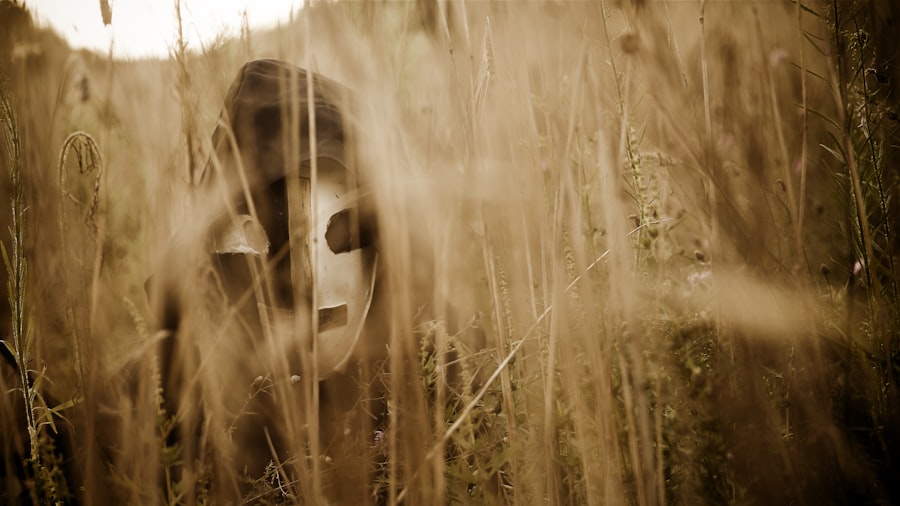
The impact of the Pigman legend on Angolan communities is profound and multifaceted. For many, it serves as a rite of passage; children are often told stories about encounters with the Pigman as a way to instill caution and respect for their surroundings. These tales are not merely frightening anecdotes but are imbued with lessons about bravery, responsibility, and the importance of community ties.
As children grow up hearing these stories, they learn to navigate their environment with an awareness that extends beyond mere survival; they develop an understanding of their place within a larger ecosystem that includes both human and non-human entities. Moreover, the legend has fostered a sense of unity among community members. Shared stories about the Pigman create bonds between individuals as they recount their own experiences or those passed down through generations.
This collective memory reinforces cultural identity and provides a sense of belonging in an ever-changing world. Festivals and gatherings often incorporate elements of the Pigman legend, allowing communities to celebrate their heritage while simultaneously addressing contemporary issues such as environmental degradation or social injustice. In this way, the Pigman transcends his role as a mere urban legend; he becomes a symbol of resilience and adaptability in the face of adversity.
Uncovering the Truth Behind the Myth
| Myth | Truth |
|---|---|
| Myth 1 | Truth 1 |
| Myth 2 | Truth 2 |
| Myth 3 | Truth 3 |
As with many urban legends, there exists an insatiable curiosity surrounding the truth behind the myth of the Pigman. Investigators and folklorists have sought to uncover any historical basis for this enigmatic figure, often delving into local archives and oral histories to piece together fragments of evidence. Some researchers have suggested that sightings of strange creatures in rural areas may have been misidentified animals or even remnants of ancient rituals that have long since faded from public consciousness.
This quest for truth reveals not only a desire to demystify the legend but also an acknowledgment that myths often contain kernels of reality that speak to deeper truths about human experience. In recent years, modern technology has played a role in this investigation. Social media platforms have become hotbeds for sharing stories and purported sightings of the Pigman, leading to both skepticism and fascination among younger generations.
While some dismiss these accounts as mere fabrications or exaggerations, others find solace in them, viewing them as contemporary manifestations of an age-old tale. This interplay between myth and reality raises questions about how legends evolve in response to societal changes and technological advancements. Ultimately, uncovering the truth behind the Pigman myth serves not only to satisfy curiosity but also to highlight the enduring power of storytelling in shaping cultural narratives.
The Pigman’s Place in Angolan Culture
The Pigman occupies a unique position within Angolan culture, serving as both a cautionary figure and a source of inspiration for artistic expression. His image has permeated various forms of media, from literature to visual arts, where he is often depicted in ways that evoke both fear and fascination. Artists draw upon his symbolism to explore themes such as identity, belonging, and humanity’s relationship with nature.
In this sense, the Pigman transcends his role as a mere urban legend; he becomes a canvas upon which cultural narratives are painted, reflecting societal values and concerns. Furthermore, the Pigman’s place in Angolan culture extends beyond artistic representation; he has also become a focal point for discussions about environmental conservation and social responsibility. As communities grapple with issues such as deforestation and climate change, invoking the legend serves as a reminder of humanity’s interconnectedness with nature.
The Pigman embodies both the consequences of neglecting this relationship and the potential for redemption through responsible stewardship. In this way, he becomes not just a figure of fear but also one of hope—a symbol that encourages individuals to reflect on their actions and strive for harmony with their environment.
Debunking Myths and Misconceptions
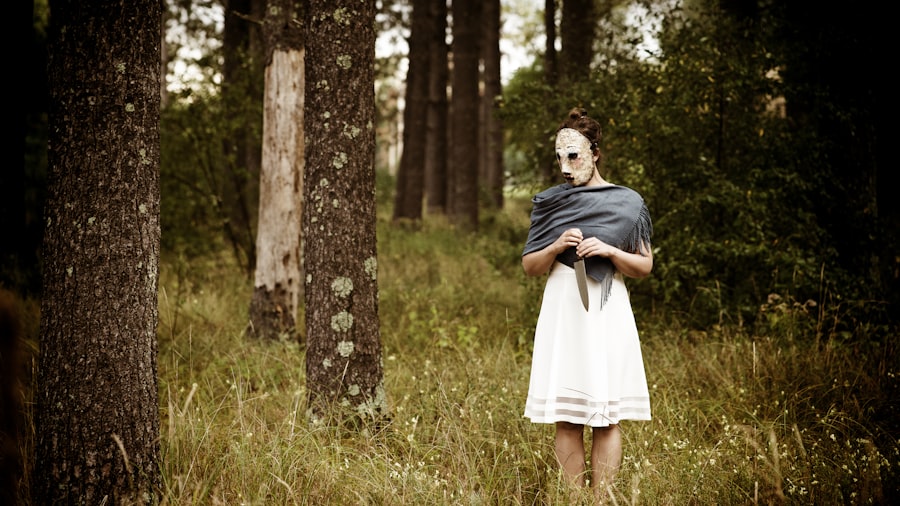
Despite its rich tapestry of meaning, many myths and misconceptions surround the Pigman legend that warrant examination. One prevalent belief is that encounters with the Pigman are inherently dangerous or fatal; however, many stories emphasize that those who approach him with respect or seek understanding may find themselves unharmed or even enlightened by their experiences. This notion challenges the binary perception of good versus evil often associated with folklore figures and invites deeper contemplation about human interactions with nature and otherness.
Additionally, some misconceptions arise from sensationalized portrayals in popular media that distort the essence of the legend for entertainment purposes. These representations can lead to misunderstandings about cultural practices or beliefs associated with the Pigman narrative. By debunking these myths and misconceptions, we can foster a more nuanced understanding of how folklore functions within society—serving not only as entertainment but also as a means for communities to articulate their values, fears, and aspirations in an ever-evolving world.
The Legacy of the Pigman
The legacy of the Pigman continues to resonate within Angolan society today, serving as both a reminder of cultural heritage and an impetus for ongoing dialogue about contemporary issues. As new generations encounter this urban legend through storytelling or artistic expression, they are invited to engage with its themes in ways that reflect their own experiences and challenges. The Pigman’s story evolves alongside societal changes, adapting to new contexts while retaining its core messages about respect for nature and community cohesion.
Moreover, as globalization increasingly influences local cultures, legends like that of the Pigman provide an anchor for identity amidst rapid change. They remind individuals of their roots while encouraging them to navigate modernity with wisdom drawn from ancestral knowledge. In this way, the legacy of the Pigman transcends mere folklore; it becomes a living testament to resilience—a narrative that continues to inspire reflection on what it means to be human in relation to both nature and one another.
As we look toward the future, it is clear that legends like that of the Pigman will endure, evolving yet remaining steadfast in their ability to connect us to our past while guiding us toward our future.
If you’re intrigued by the eerie lore surrounding The Pigman of Angola, you might find the story of the Melon Heads equally chilling. This urban legend, like that of The Pigman, involves grotesque figures haunting secluded areas, stirring fear and curiosity among locals and folklore enthusiasts alike. The Melon Heads, believed to be mutated or deformed humans, are said to roam the forests of certain parts of the United States, much like the Pigman is rumored to lurk around the Angola area. Both legends share themes of isolation, deformity, and the terror of encountering the unknown.
FAQs
What is the Pigman of Angola urban legend?
The Pigman of Angola urban legend is a story that has been circulating for years in Angola, Africa. It revolves around the tale of a half-man, half-pig creature that is said to roam the streets of Angola, terrorizing locals.
Is there any evidence to support the existence of the Pigman?
There is no concrete evidence to support the existence of the Pigman of Angola. The story is widely regarded as a myth or urban legend, with no verifiable sightings or proof of its existence.
What are some common variations of the Pigman legend?
Variations of the Pigman legend include stories of the creature attacking unsuspecting victims, being the result of a scientific experiment gone wrong, or being a vengeful spirit seeking retribution for past wrongs.
Why do urban legends like the Pigman persist in popular culture?
Urban legends like the Pigman persist in popular culture due to their ability to tap into primal fears and the unknown. They often serve as cautionary tales and are passed down through generations as a way to entertain and warn others.
Has the Pigman legend had any impact on the local community in Angola?
The Pigman legend has had a lasting impact on the local community in Angola, with many residents being wary of dark, secluded areas and sharing stories to warn others about the supposed dangers of encountering the creature.



Post Comment
You must be logged in to post a comment.