The Rakshasa Urban Legend: Myth or Reality?

The Rakshasa legend originates in ancient Indian texts, particularly Hindu mythology. These beings are typically portrayed as malevolent spirits or demons with supernatural abilities and a tendency to cause chaos. The earliest mentions of Rakshasas appear in the Vedas, Hinduism’s oldest sacred texts, where they are described as formidable opponents of the gods.
In these scriptures, Rakshasas are depicted as disruptors of cosmic order, representing forces of darkness and ignorance that oppose divine light. These narratives often serve as allegories for the ongoing conflict between good and evil, reflecting the moral complexities of human existence. Over time, the Rakshasa mythos became more deeply integrated into Indian folklore and epics, such as the Ramayana and Mahabharata.
In these narratives, Rakshasas are frequently portrayed as shape-shifters capable of assuming various forms to deceive and manipulate their victims. This ability to transform symbolizes their cunning nature and allows them to infiltrate human society. Ravana, the ten-headed king of the Rakshasas in the Ramayana, exemplifies this archetype, demonstrating both immense power and moral ambiguity.
Through these stories, the Rakshasa legend has evolved beyond myth to become a significant source of cultural identity and moral instruction that continues to resonate with modern audiences.
Key Takeaways
- The Rakshasa legend originates from Hindu mythology and is believed to be a demon-like creature with shape-shifting abilities.
- Rakshasas are described as powerful, malevolent beings with the ability to disguise themselves as humans or animals, often depicted with sharp teeth and claws.
- Historical sightings and encounters with Rakshasas are often attributed to folklore and superstition, with no concrete evidence of their existence.
- Modern interpretations and beliefs about Rakshasas vary, with some viewing them as purely mythical creatures and others believing in their supernatural presence.
- Scientific explanations and skepticism surrounding the Rakshasa legend point to the lack of empirical evidence and the influence of cultural beliefs on reported sightings.
Descriptions and Characteristics of Rakshasas
Rakshasas are often described as fearsome beings with grotesque features that evoke both terror and fascination. Traditionally, they are depicted as having large, sharp teeth, wild hair, and a menacing demeanor that reflects their malevolent nature. Their physical appearance is not merely for shock value; it serves to symbolize their inner darkness and moral depravity.
In many accounts, they are portrayed as being able to change their size at will, further emphasizing their supernatural abilities. This capacity for transformation allows them to blend into human society or assume terrifying forms to instill fear in their adversaries. The duality of their existence—both as monstrous entities and as cunning tricksters—adds layers to their characterization, making them complex figures within the mythological landscape.
Beyond their physical attributes, Rakshasas are often imbued with a range of supernatural powers that enhance their fearsome reputation. They are known for their ability to cast illusions, manipulate reality, and even control the elements. This mastery over the natural world positions them as formidable foes against both mortals and deities alike.
In many tales, they are depicted as skilled sorcerers who can wield dark magic to achieve their nefarious goals. Their intelligence and cunning make them adept at devising intricate plots to ensnare unsuspecting victims. This combination of physical prowess and intellectual cunning creates a multifaceted portrayal of Rakshasas that captivates audiences and serves as a cautionary tale about the dangers of unchecked ambition and moral corruption.
Historical Sightings and Encounters
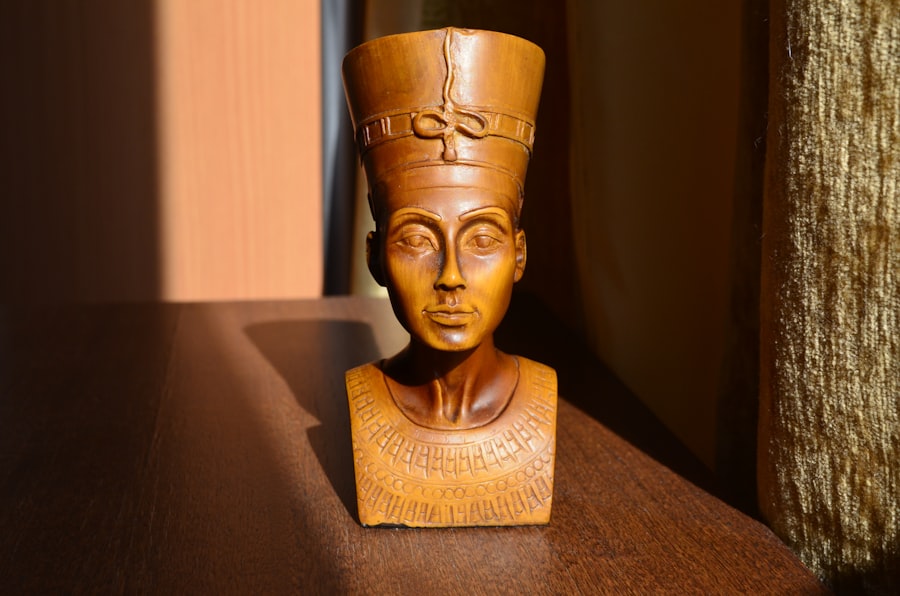
Throughout history, there have been numerous accounts of encounters with beings believed to be Rakshasas, often recounted in folklore and oral traditions passed down through generations. These stories typically describe terrifying encounters in remote forests or desolate landscapes where individuals have reported seeing strange figures lurking in the shadows. In some instances, these beings were said to have attacked travelers or disrupted rituals, leaving behind a trail of fear and confusion.
Such narratives often serve as cautionary tales, warning people against venturing too far into the wilderness or engaging in activities that might provoke these malevolent spirits. The persistence of these stories across different cultures within India highlights a shared belief in the existence of these supernatural entities. Moreover, historical texts occasionally reference encounters with Rakshasas during significant battles or conflicts between divine forces and demonic entities.
For instance, during the epic battles depicted in the Ramayana, warriors often faced off against Rakshasas who fought valiantly to protect their king, Ravana. These accounts not only serve to illustrate the ongoing struggle between good and evil but also reflect the cultural significance attributed to these beings in shaping societal values and beliefs. The tales of heroism against Rakshasas have inspired countless generations, reinforcing the idea that courage and righteousness can triumph over malevolence.
As such, these historical sightings contribute to a rich tapestry of mythological narratives that continue to influence contemporary interpretations of good versus evil.
Modern Interpretations and Beliefs
| Modern Interpretations and Beliefs | Statistics |
|---|---|
| Number of people who identify as spiritual but not religious | 30% |
| Percentage of millennials who believe in astrology | 55% |
| Number of Americans who practice meditation | 18 million |
| Percentage of people who believe in the power of positive thinking | 80% |
In contemporary society, the legend of the Rakshasa has undergone various reinterpretations that reflect changing cultural values and beliefs. While traditional depictions often emphasize their malevolence and chaos, modern portrayals sometimes explore more nuanced perspectives on these beings. In literature and popular media, Rakshasas are occasionally depicted as misunderstood creatures who challenge societal norms or embody themes of rebellion against oppressive forces.
This shift in interpretation allows for a more complex understanding of their character, inviting audiences to empathize with their struggles rather than merely viewing them as embodiments of evil. Such reinterpretations can serve as a mirror for contemporary societal issues, prompting discussions about morality, justice, and the nature of good and evil. Additionally, modern spiritual practices have also incorporated elements of the Rakshasa legend into their frameworks.
Some individuals view these beings not solely as malevolent spirits but as representations of inner demons or personal struggles that must be confronted and overcome. This psychological interpretation aligns with broader trends in contemporary spirituality that emphasize self-awareness and personal growth. By reframing Rakshasas in this manner, individuals can engage with their own fears and challenges in a constructive way, transforming what was once seen as an external threat into an opportunity for introspection and healing.
This evolution in belief underscores the enduring relevance of the Rakshasa legend in addressing both individual and collective human experiences.
Scientific Explanations and Skepticism
Despite the rich tapestry of myth surrounding Rakshasas, scientific inquiry often approaches such legends with skepticism, seeking rational explanations for phenomena attributed to these supernatural beings. Many researchers argue that historical sightings of Rakshasas may be rooted in psychological phenomena such as mass hysteria or collective delusions. In cultures where belief in supernatural entities is prevalent, individuals may interpret unexplained events—such as natural disasters or unexplained disappearances—as manifestations of these mythical beings.
This perspective suggests that rather than being actual encounters with malevolent spirits, reports of Rakshasa sightings could be reflections of cultural anxieties or societal fears projected onto external events. Furthermore, anthropologists have examined how folklore surrounding Rakshasas serves social functions within communities. By embodying societal fears or moral lessons, these legends can reinforce cultural norms and values while providing a framework for understanding complex human emotions such as fear, anger, or jealousy.
In this sense, skepticism does not diminish the significance of the Rakshasa legend; rather, it invites deeper exploration into how myths shape human experience and societal structures. As scientific inquiry continues to evolve alongside cultural narratives, it becomes increasingly clear that legends like that of the Rakshasa hold profound meaning beyond mere superstition—they reflect humanity’s ongoing quest for understanding in an often chaotic world.
Cultural Significance and Influence
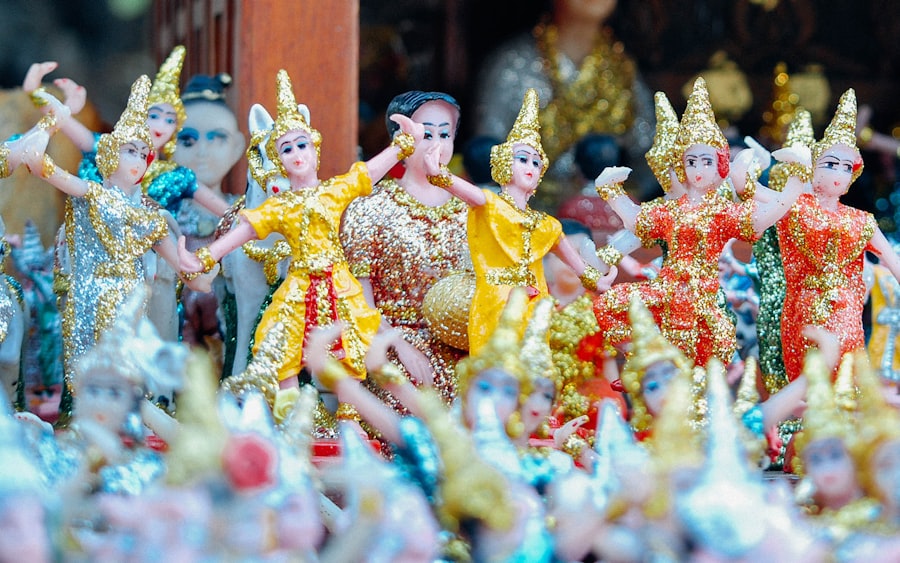
The cultural significance of the Rakshasa legend extends far beyond its origins in ancient texts; it has permeated various aspects of Indian art, literature, dance, and theater throughout history. In classical Indian dance forms such as Kathakali and Bharatanatyam, performances often depict stories involving Rakshasas, showcasing their dramatic confrontations with heroes like Rama or Krishna. These artistic expressions not only preserve traditional narratives but also serve as a means of exploring complex themes such as morality, justice, and redemption.
The visual representation of Rakshasas in sculptures and paintings further cements their place within Indian culture, allowing audiences to engage with these figures on multiple sensory levels. Moreover, the influence of the Rakshasa legend has transcended geographical boundaries, inspiring adaptations in various cultures around the world. Elements reminiscent of Rakshasas can be found in Southeast Asian folklore where similar demon-like figures appear in local myths and legends.
This cross-cultural exchange highlights how universal themes of good versus evil resonate across different societies while adapting to local contexts. The enduring legacy of the Rakshasa legend serves as a testament to its ability to inspire creativity and provoke thought across generations—an indication that even ancient myths can find relevance in contemporary discourse.
The Future of the Rakshasa Legend
As we look toward the future, it is evident that the legend of the Rakshasa will continue to evolve alongside societal changes and cultural shifts. With advancements in technology and communication facilitating global exchanges of ideas, new interpretations may emerge that challenge traditional narratives while preserving core themes inherent in these myths. The rise of digital media offers platforms for storytelling that can reimagine ancient legends through modern lenses—be it through films, graphic novels, or interactive storytelling experiences.
Such innovations may breathe new life into the Rakshasa legend while inviting diverse audiences to engage with its complexities. Furthermore, as contemporary society grapples with pressing issues such as environmental degradation or social injustice, there is potential for the Rakshasa legend to serve as a metaphorical framework for addressing these challenges. By reinterpreting these beings as representations of societal ills or personal struggles—much like modern spiritual practices have begun to do—individuals may find empowerment in confronting their own “Rakshasas.” Ultimately, whether through artistic expression or personal reflection, the future of the Rakshasa legend promises to be rich with possibilities for exploration and understanding—a testament to humanity’s enduring fascination with myths that illuminate our shared experiences across time and space.
If you’re intrigued by the chilling tales of the Rakshasa Urban Legend, you might find the story of The Boogeyman equally fascinating. This legend delves into the fears lurking in the dark corners of our minds, much like the Rakshasa story. The Boogeyman is a sinister figure that preys on the innocent, often said to hide under beds or in closets, waiting for the right moment to strike fear into the hearts of children and adults alike. This tale explores the universal theme of the unseen horrors that haunt human cultures, making it a perfect companion piece to the mysterious and malevolent Rakshasa.
FAQs
What is the Rakshasa urban legend?
The Rakshasa urban legend is a mythological creature from Hindu and Buddhist traditions. It is often depicted as a demon or evil spirit with shape-shifting abilities.
Where does the Rakshasa urban legend originate from?
The Rakshasa urban legend originates from ancient Indian mythology and has been passed down through generations in Hindu and Buddhist traditions.
What are the characteristics of a Rakshasa?
Rakshasas are often depicted as powerful, malevolent beings with the ability to change their form at will. They are known for their cunning and deceptive nature.
Are there any real-life sightings or evidence of Rakshasas?
There is no scientific or empirical evidence to support the existence of Rakshasas. They are considered to be purely mythical creatures from ancient folklore.
How has the Rakshasa urban legend been portrayed in popular culture?
The Rakshasa urban legend has been featured in various forms of media, including literature, films, and television shows. It is often depicted as a fearsome and formidable antagonist.
Is the Rakshasa urban legend still believed in modern times?
While the Rakshasa urban legend holds significance in Hindu and Buddhist traditions, it is generally not believed to be a real entity in modern times. It is more commonly viewed as a mythological figure.



Post Comment
You must be logged in to post a comment.